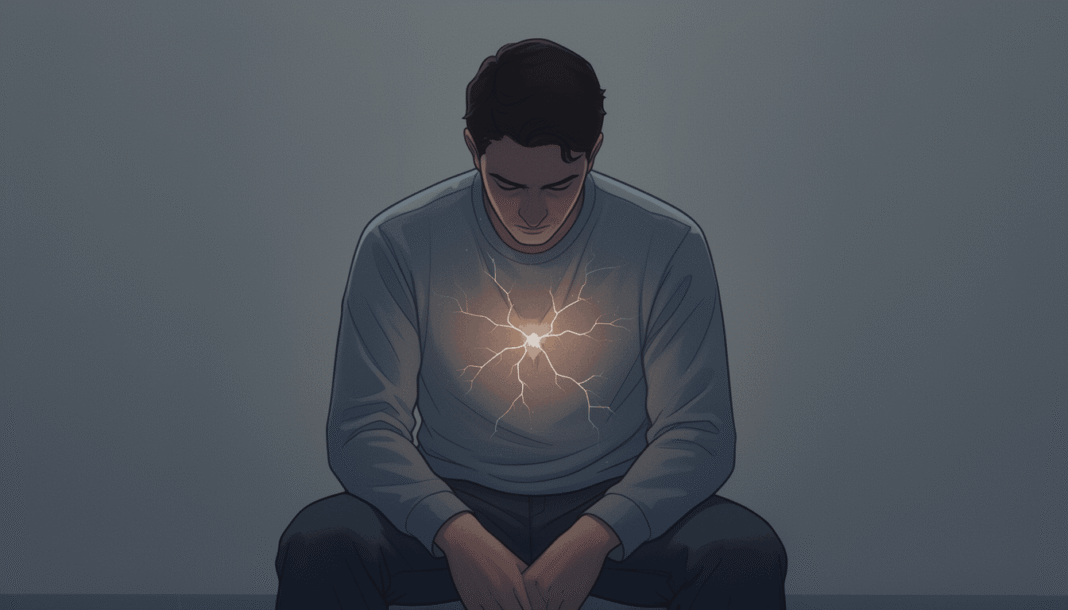
For many men emotional suppression doesn’t feel like a choice.
It feels like survival.
You learn early — sometimes without words — that emotions slow you down, make you vulnerable, or create problems. So you adapt. You keep moving. You handle things. You stay “fine.”
But over time, that constant holding back becomes exhausting. Men emotional suppression is draining of your energy and vitality. It stops you feeling truly alive.
If you feel tense, disconnected, short-tempered, or strangely numb, it’s not because something is wrong with you. It’s because men emotional suppression has a cost, and you’ve been paying it for years.
Men Emotional Suppression Isn’t Strength — It’s a Strategy
Men are often praised for being calm under pressure, rational, and in control. But what’s rarely acknowledged is how often that “control” is actually suppression.
Suppression looks like:
-
Pushing feelings aside to stay functional
-
Avoiding conversations that feel emotionally risky
-
Telling yourself “it’s not a big deal” when it clearly is
-
Staying busy so you don’t have to feel
At first, this strategy works. You stay productive. You keep relationships stable. You avoid conflict.
But suppression doesn’t remove emotions — it just stores them in the body.
Why Emotional Suppression Is So Draining
Men emotional suppression takes effort. Constant effort.
Research shows that emotional suppression increases physiological stress, including higher heart rate and cortisol levels, even when outward behaviour appears calm . In other words, your body reacts even when your face doesn’t.
Over time, this can lead to:
-
Chronic fatigue
-
Irritability or anger that feels “out of nowhere”
-
Anxiety or low-level depression
-
Disconnection from partners and friends
-
Loss of motivation or meaning
Many men don’t identify these symptoms as emotional exhaustion — they just feel “off” and can’t explain why.
The Cost to Relationships (Even When You’re Trying Your Best)
Here’s the painful part: emotional suppression often damages relationships even when your intentions are good.
When emotions aren’t expressed:
-
Partners may feel shut out or unseen
-
Conflict stays unresolved beneath the surface
-
Intimacy fades without a clear reason
You might think you’re protecting others by staying quiet, but what they often experience is distance.
This isn’t about becoming overly emotional or talking all the time. It’s about allowing emotions to move instead of trapping them.
What to Do Instead: Emotional Regulation, Not Emotional Release
The alternative to suppression isn’t dumping feelings everywhere.
It’s emotional regulation — learning to notice, name, and process emotions safely and gradually.
Start here:
1. Notice the Body First
Men often feel emotions physically before mentally. Tight jaw, clenched fists, shallow breathing, pressure in the chest — these are signals, not weaknesses.
Pause long enough to notice them.
2. Name What’s There (Without Judgment)
You don’t need perfect emotional language. “I’m tense.” “I’m frustrated.” “I’m uneasy.” That’s enough to begin releasing pressure.
Naming emotions reduces their intensity and gives your nervous system information instead of resistance.
3. Choose One Safe Outlet
This might be:
-
Talking with one trusted person
-
Writing privately
-
Physical movement with awareness (not punishment)
The goal isn’t expression for expression’s sake — it’s movement instead of suppression.
Strength Includes Emotional Capacity
Real strength isn’t the absence of emotion.
It’s the ability to carry emotion without being controlled by it.
Men who learn emotional regulation often report:
-
More energy
-
Better focus
-
Deeper relationships
-
Greater confidence in who they are
If this resonates, you might also find value in resources focused on emotional awareness and self-connection, such as the work shared at The Gottman Institute, which explores emotional responsiveness and relational health in men and couples .
Final Thought from Rowan
You’re not weak for feeling tired of holding everything together.
You’ve been strong for a long time — now it’s time to be supported by your strength instead of crushed by it.
Emotional awareness isn’t about changing who you are.
It’s about reclaiming the energy you’ve been spending on men emotional suppression.